
As economic uncertainty continues, dealers nationwide are using this time to look ahead and decide what will work best for their business. The conversation about stocking product versus ordering to specification remains challenging, and we’d like to address it as modified wood products grow in the marketplace.
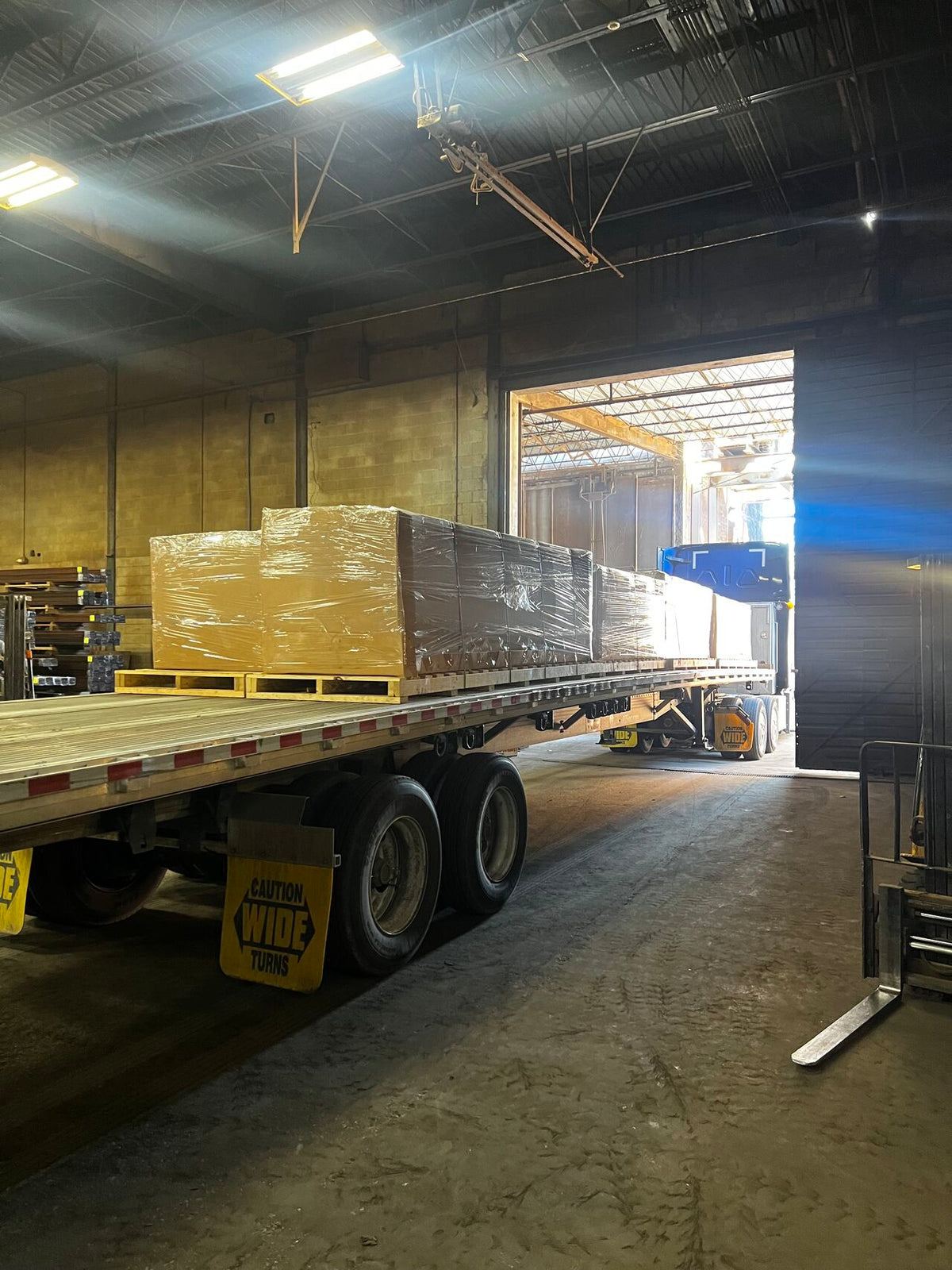
A truckload of product, such as thermally modified wood in this example, may lower freight costs, but it often leaves a dealer holding inventory longer than necessary and with a narrow stock assortment. It's not because they're doing a bad job selling; it's because every customer needs something a little different.
Over time, keeping a supply of commonly ordered wood products for decking and siding may be an option, particularly for regular, local customers who are accustomed to stopping by for what they need for their projects.
Ordering by project keeps inventory commitments down, but freight on a small order can change the economics of the sale. It may be a better fit, giving dealers room to build a mix around what their customers are asking for and a good place to start with new products.
A mix of both can serve a growing market. That's where Westwood Millworks comes in. Our domestic manufacturing and project-order option give dealers room to build that mix around their own customers.
Start by understanding the business already coming across your counter and which products are most in demand.
Inventory Demand
What are the applications your customers buy most often? A dealer serving deck builders may have a case for stocking a common decking board while another dealer working with custom homebuilders may see repeat demand for a specific siding profile. A sample wall with specialty finishes, like fluted or planking, may spark inspiration for seasonal indoor projects.
According to LBM Journal's May 2026 LBM 100 report, about half of the participating dealers experienced revenue delines in 2025, and inventory costs were among the reported challenges. In BPD/The Merchant's third-quarter 2026 publisher's statement, they noted continued caution and inventory aligned with demand.
For a broader channel snapshot, HBSDealer also reported a 10% year-over-year decline in first-quarter 2026 composite decking sales at Home Depot and Lowe's.
It's a telling moment.
Earned Stocking
If you’re considering stocking products, there are likely three common questions you ask yourself:
- Will my customers buy this product on repeat?
- How much and how often?
- Does the product sell itself or does it take work?
You know from experience that repeat purchases from multiple customers indicate the product is moving. Many contractors value products that are available for pickup. Start with a narrow assortment you're confident can serve several projects and confirm current product specifications and replenishment terms before committing yard space.
Compare the full cost of holding material, including inbound freight, storage, handling, financing, damage, and markdowns. Does a bundle sit for more than a season? If the price was right but the product doesn’t move, it likely wasn’t the right purchase.
Price a representative project both ways: from a replenished stock assortment and as a separate shipment. Compare the delivered cost per usable foot, including any additional shipment needed to complete the job.
Use a sample wall to showcase the broader range without stocking every selection, especially for new products or categories. Use the samples to explain species, profiles, finishes, and applications. When customers handle the material and see the choices, that can start the conversation and education before committing to a broad stocking order.
Matching Specifications to the Order
Project ordering makes sense when a customer needs a less common species, a specific finish, a distinctive profile, or a quantity that would deplete your normal stock. It may also suit a dealer introducing thermally modified wood to the market before you start to see repeat sales.
For example, a recurring decking selection may justify a rack position. A fluted wall selected for one custom home may be better purchased only for that job, and it may also serve as a sample or display wall.
Before you write the order, bring Westwood in early to help. We can confirm availability, freight, and delivery details before promising a specific date. We can also problem-solve if needed, and we’re happy to review current installation and care guidance with the builder, so you don’t have to.
Product knowledge and order management are essential, as a recent distribution report documents. The report identifies technical support and jobsite delivery as services that help building products suppliers, and therefore dealers, compete. A well-managed project order can give a customer a reason to return, even when you never had the material in your yard.
Domestic Manufacturing Makes a Difference
An overseas container purchase can make sense for a dealer with sufficient repeat demand to sell through the shipment. It can also require buying well ahead of individual jobs and accepting an assortment that takes time to move. Terms vary by supplier.
Westwood Millworks manufactures in Macon, Georgia, using North American wood species and a North American supply chain. Westwood performs thermal modification, milling, profiling, and finishing in-house. For dealers, this provides direct access to the manufacturer handling those steps and a domestic source for project discussions and orders.
Dealers can sell Westwood ThermA products without carrying inventory. Orders can ship to the dealership or directly to the jobsite. This lets dealers develop Westwood ThermA product sales without pruchasing an overseas container. Availability, freight, and delivery details are confirmed with each order.
Experience Will Guide Future Orders
At Westwood, we'll work with you to determine the best way to order our ThermA family of products. One approach is to start with samples and project orders, then stock the selections that drive repeat demand and profit. If you're a stocking dealer, you can keep a core assortment on hand and use project ordering for the rest. As you review completed sales, lost sales, freight costs, and aging inventory, we can discuss expanding.
Interested in becoming a Westwood Millworks dealer? Contact our team to discuss your market. We'll walk you through our Certified Dealer Program benefits and how they can help you move product.


Leave a comment
This site is protected by hCaptcha and the hCaptcha Privacy Policy and Terms of Service apply.