
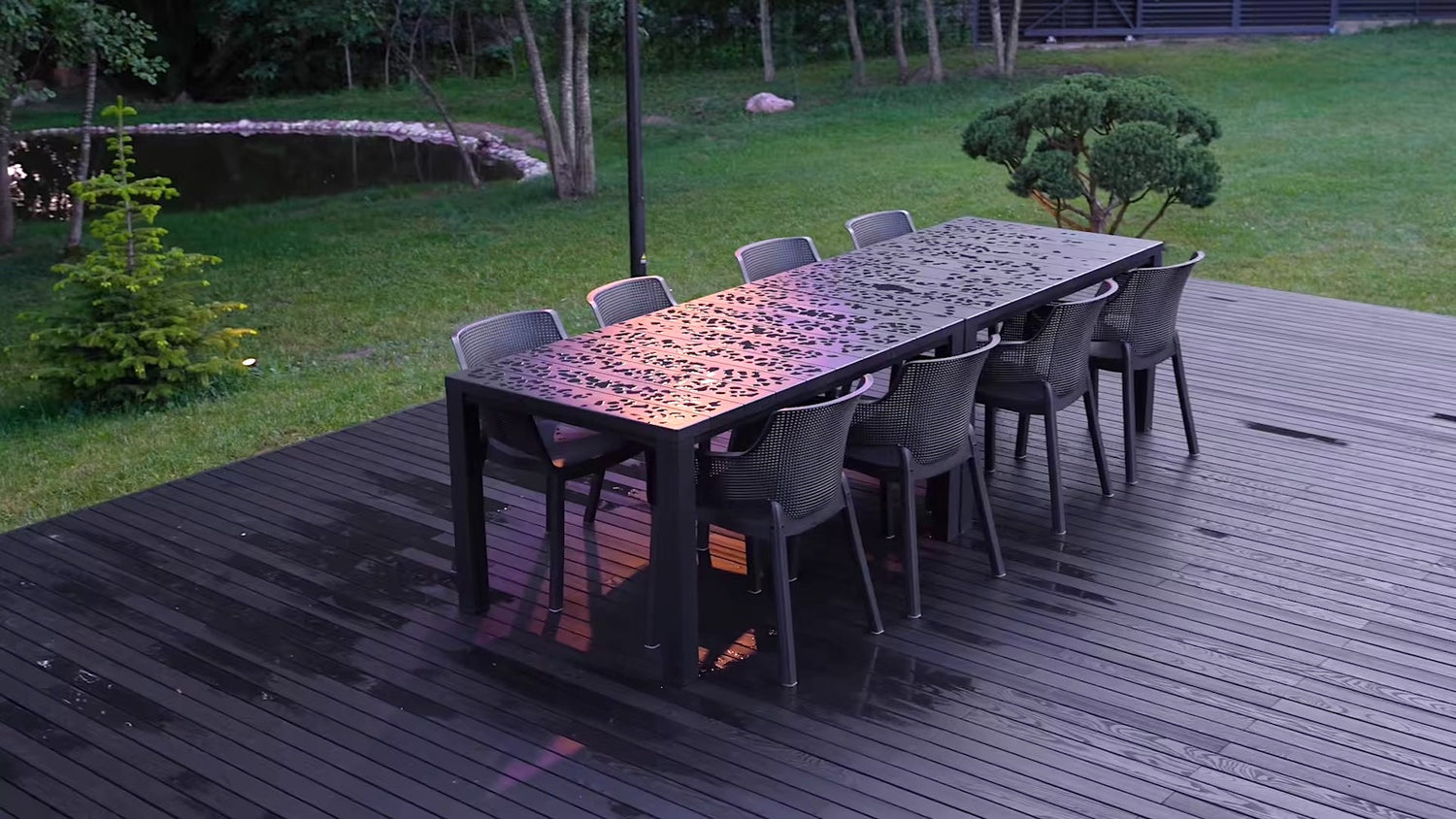
For years, the backyard was the part of the job you finished last. The deck went in after the house was done, built from whatever was available (and cheap), and nobody expected it to last more than a decade.
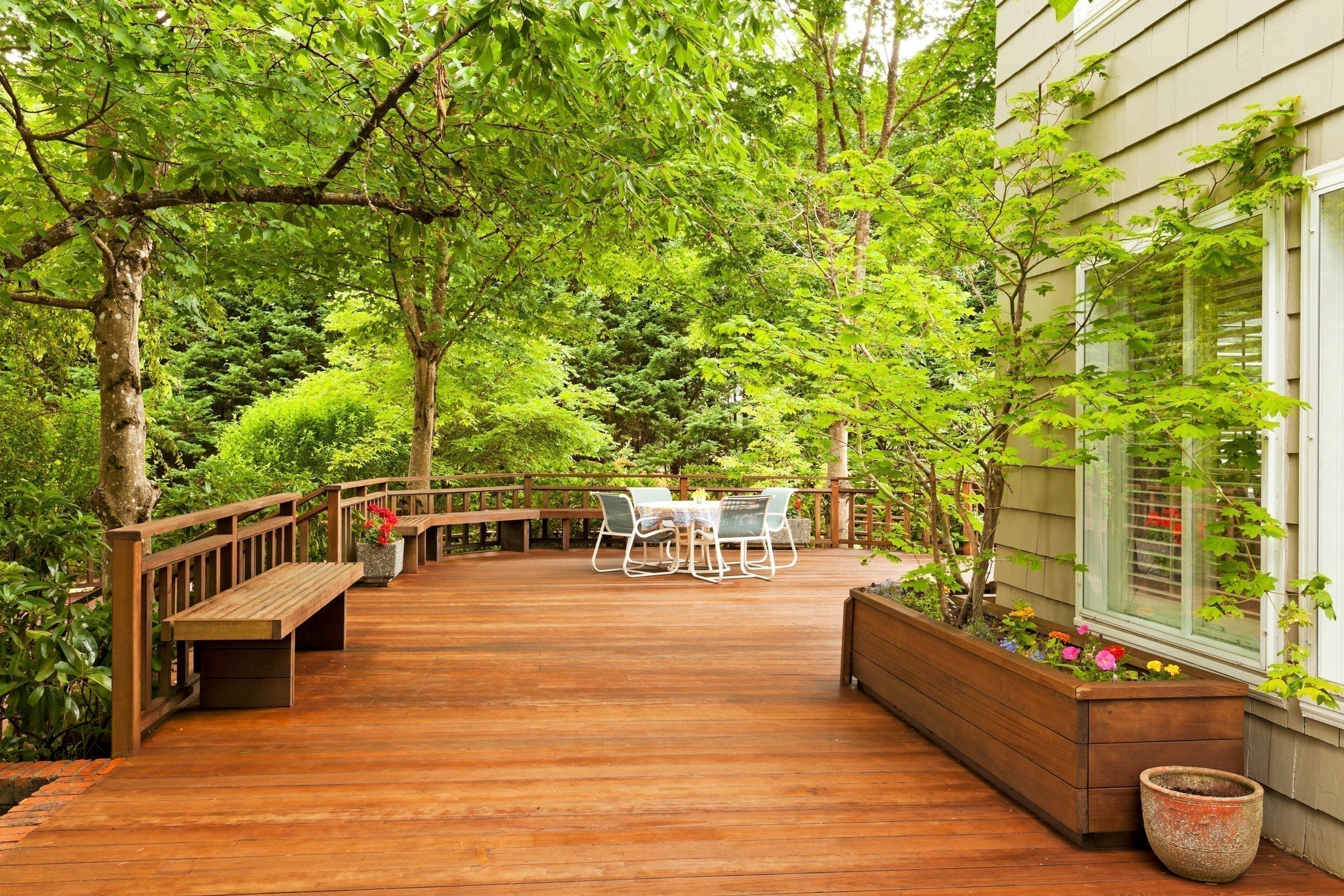
Today, that order has flipped. More often than not, clients walk into your meeting talking about the deck, the covered patio, and how the interior flows to the exterior. The yard has become real square footage, and it is square footage they intend to use for more than one season.
For builders, that changes the conversation about materials. A deck used like a room is likely to be judged like a room.
The Demand is Real
This is not a soft trend. The American Institute of Architects' 2025 Home Design Trends Survey ranked outdoor living spaces, covered patios, and outdoor rooms at the top of the exterior feature list, with 55% of firms reporting rising demand for these features. Blended indoor-outdoor space ranked close behind.
The National Association of Home Builders reports that builders are increasingly expanding usable living space with patios, porches, and decks, treating outdoor living as standard rather than a premium. The return is real. A new deck recoups roughly 68% to 83% of its cost at resale, depending on the material, according to Remodeling's Cost vs. Value report.
Clients are asking for more outside. But that’s not all; they are also asking it to last.
Outdoor Living Raises the Bar on the Material
For a utility deck and a living-space deck, you’re not using the same product. When a homeowner dines, entertains, and relaxes on a surface every weekend, they notice every cupped board and every gray streak. They notice it on the siding, too.
This means you’ll need to keep in mind that your specification comes first; then it’s about the aesthetics. The same AIA survey named low-maintenance materials the single most-requested product category, at 48%. For a builder, “low maintenance” is not a marketing term. It is the difference between a clean handoff and a callback two summers later.
The materials answering that demand share a short list of traits. They retain their dimensions, resist rot and insects, and maintain their appearance with minimal upkeep. Thermally modified wood was built for that list.

Raising the Wood Bar
Pressure-treated lumber still has its place on a tight budget. Builders know that it will arrive wet, then move as it dries, often months after the install, and the client has moved in. Cupping, twisting, and checking follow, and so do the callbacks.
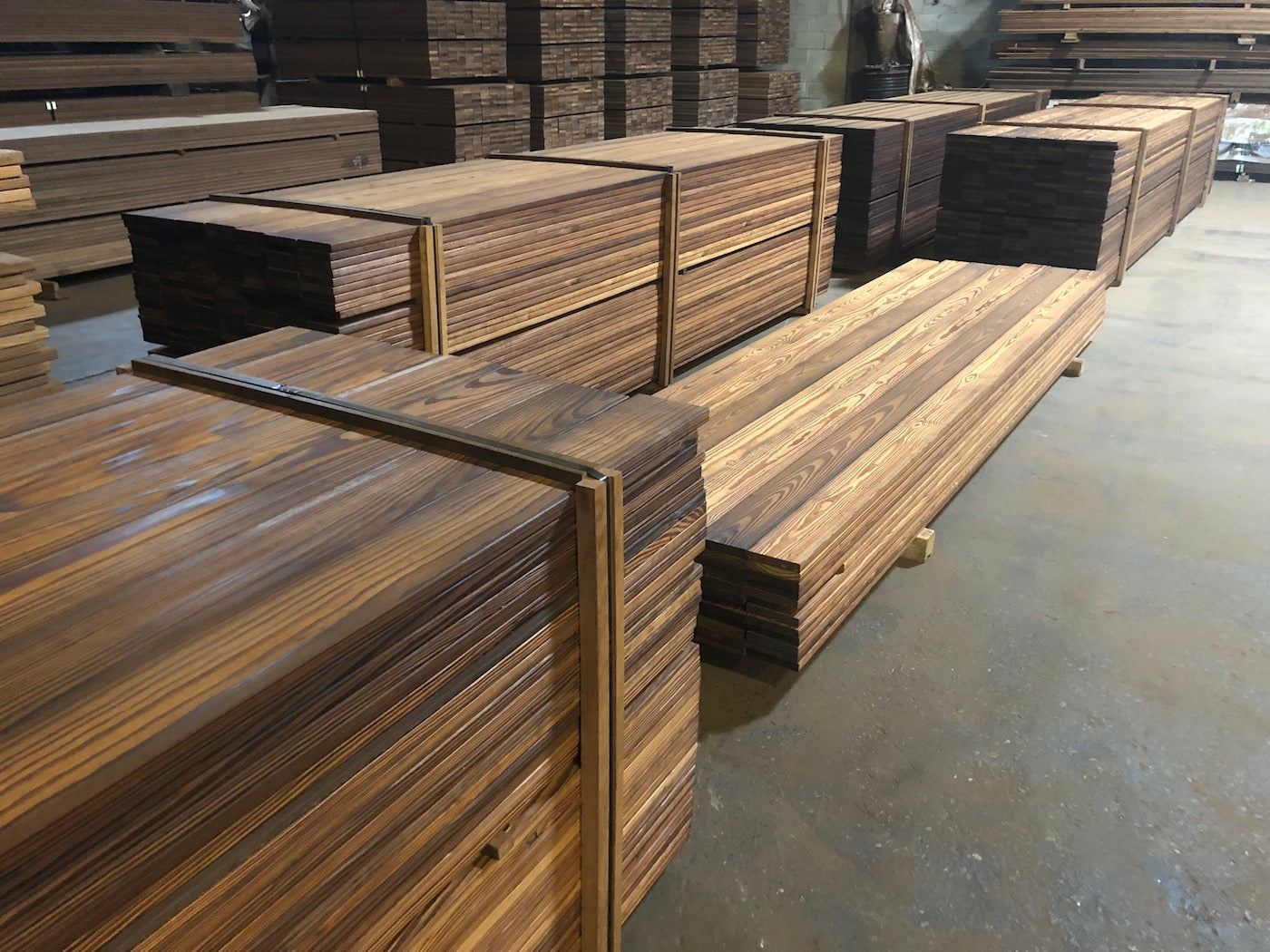
ThermA Decking takes a different path. The wood is modified with heat and steam to around 400 degrees Fahrenheit — no chemicals — which lowers its moisture content to 4-6% before it leaves the plant. It arrives factory-sealed on all four sides and stays dimensionally stable through the seasonal swings that wreck a green-lumber deck. It carries a 20-Year Durability Guarantee and a Class B fire rating for projects that matter.
For the builder, the real value means the deck that holds its shape means a deck with no callbacks.
The Case for Seamless Exterior Surface Material
The indoor-outdoor blend clients want does not stop at the deck boards. It runs up the wall. The strongest outdoor living projects treat the deck and the cladding as one continuous material, so the eye moves from floor to facade without a seam.
Take a look at Westwood's project work to see the range. A lakehouse build showcases ThermA Siding, with matching soffit, across a fully covered outdoor living space, with floor-to-ceiling coverage in a single material. A modern farmhouse uses vertical ThermA Siding against stone and metal for a warm, contemporary exterior. The deck and the wall share the same palette, suggesting intentional design rather than a turnkey approach.

North American Species, Made in the U.S.
Here is the part that matters more to builders than to almost anyone else: where the wood comes from.
ThermA Decking products are milled from North American species, ash, pine, and hemlock, and modified domestically. For a builder, that is a supply you can plan around. Shorter, steadier lead times. No exposure to overseas shipping delays or tariff swings on the back half of a job. A clear answer when a client or architect asks where the material was sourced.
Domestic sourcing also gives clients what they want: the finished board contains no added chemicals, and the wood is responsibly harvested close to home. It is a North American product, start to finish.
The Maintenance Math
Run the numbers the way a client does. A pressure-treated deck needs to be sealed or stained inside the first year, then again every couple of years after that. Traditional cedar requires the same attention to reach its full lifespan. Every one of those touchpoints is a chance for the client to wish they had spent differently.
Thermally modified wood offers a single, sustainable option. Apply an occasional UV finish to preserve the color, or let it silver naturally. Either way, upkeep is minimal, and the surface remains stable. The client spends the summer enjoying the deck instead of maintaining it, and the builder who specified and built it looks good.
The demand is here, and the surface they touch every weekend is the one they remember. Spec it to last, and it works for both of you.
The deck became the room they use most. Build it like one.
Ready to talk decking and siding? Contact the team at Westwood Millworks to request samples or walk-through options for your next outdoor living project.

Leave a comment
This site is protected by hCaptcha and the hCaptcha Privacy Policy and Terms of Service apply.